

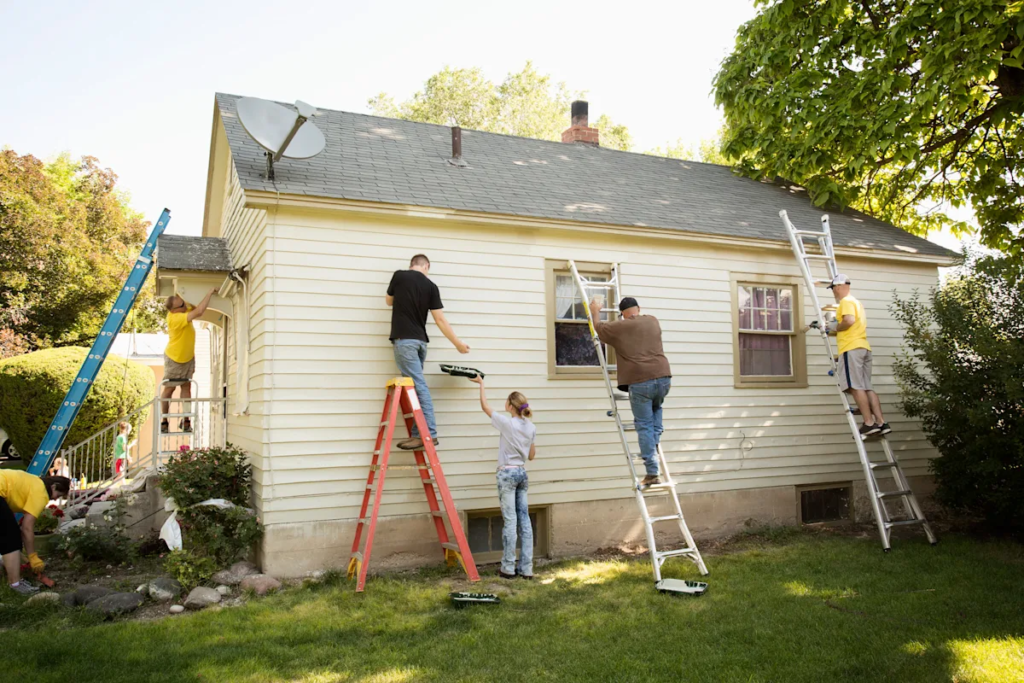
Your home’s exterior is constantly exposed to the elements. From heavy rain and strong winds to intense sunlight and seasonal temperature changes, every part of your property’s outer structure works together to protect what matters most. Yet many homeowners only think about their roof, siding, or gutters when something goes wrong.
Taking a proactive approach to exterior maintenance can help prevent costly repairs, extend the lifespan of key building components, and preserve the value of your property. Whether you own a newer home or a property that has been standing for decades, understanding the importance of routine inspections and maintenance can make a significant difference over time.
The Roof: Your Home’s First Line of Defense
A roof does far more than keep rain out. It serves as the primary barrier between your home and the outdoor environment. Small issues such as loose shingles, damaged flashing, or minor leaks may seem insignificant at first, but they can quickly develop into larger structural concerns if left unaddressed.
Regular roof inspections can help identify:
- Missing or damaged shingles
- Water intrusion points
- Flashing deterioration
- Ventilation concerns
- Storm-related damage
- Early signs of aging
Addressing these issues early often costs far less than dealing with extensive water damage, mold growth, or structural repairs later on.
Why Siding Matters More Than Many Homeowners Realize
Siding plays a critical role in both aesthetics and protection. While many people focus on curb appeal, quality siding also helps shield the home from moisture, pests, and temperature fluctuations.
Over time, exposure to weather can cause siding materials to crack, warp, or fade. When this happens, moisture can penetrate behind the exterior surface, potentially leading to hidden damage inside walls.
Some common warning signs include:
- Visible cracks or holes
- Warping or buckling panels
- Peeling paint
- Mold or mildew growth
- Increased energy bills
Investing in proper siding maintenance not only improves appearance but can also enhance energy efficiency and long-term durability.
The Value of Routine Exterior Inspections
Many homeowners wait until they notice a leak or visible damage before calling a professional. Unfortunately, by the time obvious symptoms appear, the underlying issue may have existed for months or even years.
Routine inspections provide several benefits:
Early Detection
Minor problems are easier and less expensive to fix when discovered early.
Improved Lifespan
Roofs, siding systems, and other exterior components last longer when maintained properly.
Better Energy Efficiency
Well-maintained exteriors help reduce unwanted air leaks and improve insulation performance.
Enhanced Property Value
A home with a well-kept exterior is more attractive to potential buyers and often commands a stronger market value.
For homeowners interested in learning more about professional roofing and exterior solutions, resources such as idealroofingandexteriors.com can provide helpful information about common exterior improvement projects and maintenance considerations.
Seasonal Maintenance Tips Every Homeowner Should Follow
Exterior maintenance does not need to be overwhelming. Breaking tasks into seasonal checklists can help homeowners stay ahead of potential problems.
Spring
- Inspect for winter storm damage
- Check gutters and downspouts
- Look for signs of water intrusion
- Examine siding for cracks or loose sections
Summer
- Trim vegetation away from the home
- Inspect attic ventilation
- Clean exterior surfaces
- Address any visible roofing concerns
Fall
- Remove debris from gutters
- Inspect flashing and roof penetrations
- Prepare for winter weather
- Check seals around windows and doors
Winter
- Monitor for ice buildup
- Watch for interior signs of leaks
- Ensure proper attic insulation
- Schedule inspections if storm damage occurs
Consistent attention throughout the year can significantly reduce the likelihood of emergency repairs.
Weather Events Can Cause Hidden Damage
Severe weather does not always leave obvious evidence behind. Wind-driven rain, hail, and strong gusts can weaken roofing systems or create vulnerabilities that remain unnoticed until water begins entering the home.
After major weather events, homeowners should consider a professional evaluation, especially if they notice:
- Ceiling stains
- Missing shingles
- Loose siding
- Granules accumulating in gutters
- Increased drafts indoors
Even when no visible damage is apparent from the ground, a closer inspection may reveal issues that require attention.
Choosing Long-Term Protection Over Short-Term Fixes
One of the biggest mistakes homeowners make is focusing solely on immediate repairs rather than long-term performance. While quick fixes may solve a problem temporarily, they often fail to address underlying causes.
When evaluating exterior improvements, it is important to consider:
- Material durability
- Installation quality
- Local climate conditions
- Manufacturer warranties
- Long-term maintenance requirements
Making informed decisions today can reduce repair costs and improve peace of mind for years to come.
Conclusion
Your home’s exterior works around the clock to protect your family, belongings, and investment. By prioritizing routine inspections, seasonal maintenance, and timely repairs, homeowners can avoid many of the costly surprises that result from neglected exterior systems.
Whether it is your roof, siding, gutters, or other protective features, proactive care remains one of the smartest investments you can make. A well-maintained exterior not only enhances curb appeal but also provides lasting protection and value for the future.