

Introduction
With rising energy prices, increasing utility bills, and a growing awareness of the need to live more sustainably, many households are looking for ways to save money without sacrificing comfort. One of the most effective ways to achieve this is by adopting smart home wifi devices.
Smart home technology has evolved rapidly in recent years. What was once a luxury is now affordable and accessible to most people. Beyond adding convenience, security, and modern flair to your home, smart devices can also help you reduce your expenses significantly.
In this article, we’ll explore how smart home devices save you money, the kinds of devices worth investing in, and practical tips for maximizing their benefits.
What Are Smart Home Devices?
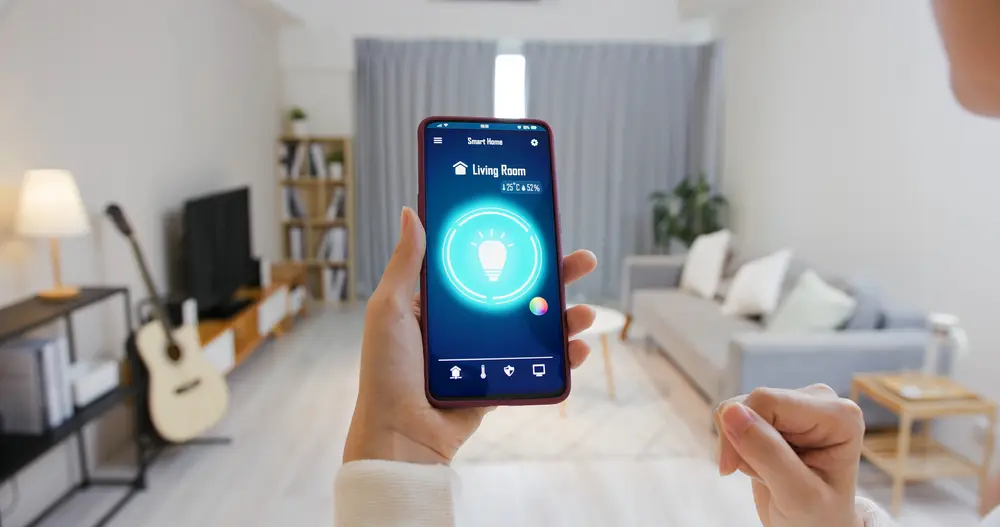
Smart home devices are Internet-connected appliances and systems that allow you to monitor, control, and automate your home environment. They can be operated through smartphone apps, voice commands, or preset schedules. Examples include smart lights, thermostats, plugs, sensors, cameras, and more.
Their appeal lies in their ability to automate daily tasks, make your home more efficient, and reduce waste — all of which translate into financial savings.
How Do Smart Home Devices Save Money?
Let’s break down the different ways smart technology can lower your costs.
1. Energy Efficiency
Perhaps the most significant way smart devices save money is by improving energy efficiency. Smart gadgets allow you to monitor and control your energy usage more effectively, which helps you reduce waste and cut down on your bills. Many Atlanta energy companies now support or integrate with smart home technologies, making it easier for consumers to optimize their energy use and save even more.
Examples:
- Smart thermostats learn your routine and adjust heating/cooling automatically.
- Smart plugs and switches let you turn off appliances remotely or set schedules to prevent unnecessary use.
- Smart lighting systems use LED technology and ensure lights are only on when needed.
Real Savings:
According to studies, smart thermostats alone can save up to 10–20% on heating and cooling costs. Smart bulbs consume up to 75% less electricity than incandescent bulbs.
2. Avoiding Overuse of Appliances
How often do we leave fans, air conditioners, or lights running in empty rooms? Smart devices eliminate this kind of waste.
Examples:
- Motion sensors turn lights and fans off when no movement is detected.
- Smart plugs cut power to appliances that are left on unnecessarily.
- Smart irrigation systems water your garden only when needed.
Real Savings:
By reducing the time that appliances operate, you can save hundreds — even thousands — of rupees each month.
3. Peak Hour Management
In many countries, including Pakistan, electricity costs more during peak hours. Smart devices can help you avoid using high-energy appliances during these times.
Examples:
- Smart washing machines and dishwashers can be scheduled to run at night when rates are lower.
- Smart thermostats can pre-cool or pre-heat your home outside peak hours.
4. Monitoring Usage
Knowledge is power. Many smart devices provide detailed insights into how much energy you’re consuming.
Examples:
- Smart meters track your electricity, gas, and water usage in real time.
- Smart plugs show exactly how much power each appliance is using.
Real Savings:
When you know which devices consume the most power, you can make smarter decisions — like upgrading old appliances or changing habits — leading to long-term savings.
5. Reducing Maintenance and Repair Costs
Smart sensors can alert you to problems before they become costly.
Examples:
- Water leak detectors notify you if they sense moisture, helping you prevent expensive water damage.
- Smart smoke and carbon monoxide detectors warn you early, avoiding potential disasters.
- Smart security cameras deter break-ins, which can result in costly losses.
6. Enhancing Home Security (and Lowering Insurance
Premiums)
Insurance companies often offer discounts for homes equipped with smart security systems.
Examples:
- Smart locks let you secure your doors remotely.
- Cameras and motion detectors protect your home while you’re away.
- Video doorbells let you see who’s at your door, reducing theft risk.
Real Savings:
Insurance discounts vary, but many providers offer 5–15% reductions for enhanced security features.
Smart Home Devices That Save You Money
Now that we know the how, let’s look at specific devices that help you save.
1. Smart Thermostats
How They Help:
- Learn your heating and cooling patterns.
- Adjust the temperature automatically based on occupancy.
- Integrate with weather forecasts for optimal efficiency.
Savings Potential:
Up to 20% off your heating and cooling costs annually.
2. Smart Lighting
How They Help:
Turn lights on/off automatically.
Use LED bulbs that last longer and consume less power.
Control brightness and color to suit your needs.
Savings Potential:
Up to 75% less electricity compared to traditional bulbs.
3. Smart Plugs and Switches
How They Help:
- Control appliances remotely.
- Monitor power consumption of individual devices.
- Set schedules to power down devices when not needed.
Savings Potential:
Cut down wasted electricity from devices left running unnecessarily.
4. Smart Power Strips
These work like smart plugs but can control multiple devices at once.
How They Help:
Switch off power-hungry electronics like TVs and game consoles when idle.
Avoid “phantom loads” that continue to draw power even when devices are off.
5. Smart Water Leak Detectors
How They Help:
- Alert you to leaks before they cause significant damage.
- Prevent mold growth and expensive repairs.
Savings Potential:
Save thousands in potential water damage costs.
6. Smart Irrigation Systems
How They Help:
- Water your lawn or garden based on soil moisture and weather conditions.
- Avoid overwatering or watering during the hottest parts of the day.
Savings Potential:
Reduce water bills by up to 50%.
7. Smart Appliances
Modern refrigerators, washing machines, and dishwashers have smart features to minimize energy and water use.
Features to Look For:
- Energy Star certification.
- Wi-Fi control for scheduling outside peak hours.
- Alerts when maintenance is needed.
Tips for Maximizing Savings
Here are some strategies to get the most financial benefit from your smart home:
Start Small
You don’t need to invest in everything at once. Begin with a smart thermostat or a few bulbs and plugs, then expand gradually.
Use Schedules and Automations
Set up schedules for lights, heating, and appliances. Automations reduce the chances of waste.
Leverage Energy Reports
Pay attention to the data provided by your devices. Identify high-consumption appliances and replace or modify usage accordingly.
Integrate Devices
Connect devices within the same ecosystem (like Alexa, Google Home, or Apple HomeKit) for seamless operation and more efficient routines.
Monitor Firmware and App Updates
Updates often include performance improvements and better energy optimization.
Real-Life Examples: How People Saved Money with Smart Devices
Case 1: Sarah’s Family
“We installed a smart thermostat and replaced all our bulbs with smart LEDs. Over one year, we saved almost 25% on our electricity bill, and the devices paid for themselves within months.”
Case 2: Ahmed’s Apartment
“Living alone, I often left the AC running by mistake. After installing a smart plug with scheduling, my monthly bill dropped by about 3,000 PKR. Plus, I can turn it off from my office if I forget.”
Case 3: The Khan Household
“Our basement flooded once due to a leak. After adding smart water sensors, we caught another leak early and avoided thousands in damage.”
Debunking Myths About Smart Home Costs
Myth: Smart Devices Are Too Expensive
Reality: Prices have dropped significantly, and many devices pay for themselves through savings within a year.
Myth: Installation is Difficult
Reality: Many devices are plug-and-play or require minimal effort.
Myth: Energy Savings Are Minimal
Reality: Even small adjustments add up — reducing waste saves money and the environment.
Challenges to Keep in Mind
While smart home devices offer great savings potential, there are a few things to consider:
Initial Investment
While many devices are affordable, outfitting your entire home can be costly upfront. Start small to spread out expenses.
Wi-Fi Dependence
Smart devices rely on a strong Internet connection. Make sure your home network can handle multiple devices.
Privacy Concerns
Some devices collect data. Choose reputable brands with good privacy policies and secure your network.
The Future of Smart Savings
Smart home technology is evolving rapidly. In the future, expect even more ways to save money:
- Devices that learn your habits more accurately with AI.
- Integration with renewable energy sources like solar panels.
- Better battery storage solutions for peak/off-peak management.
- Utility company incentives for homes using smart energy systems.
Conclusion
Smart home devices are more than just fancy gadgets — they’re practical tools that help you save money, conserve energy, and improve your quality of life. Whether it’s cutting your electricity bill, preventing costly repairs, or simply avoiding waste, these devices quickly pay for themselves.
Start with a few key devices, learn how to use them effectively, and expand your setup as your needs and budget allow. With a little planning and the right technology, you can transform your home into a smarter, more efficient, and more affordable place to live.
By making informed choices today, you not only save money but also contribute to a more sustainable future — a win-win for you and the planet.