

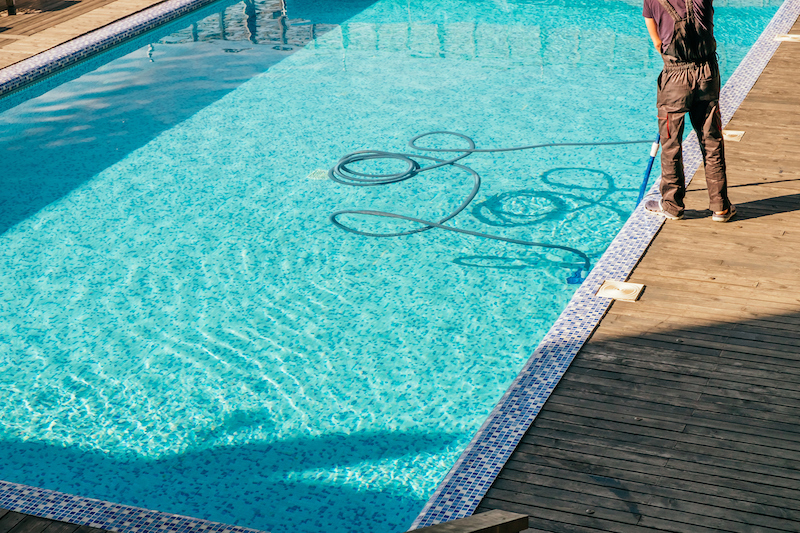
Maintaining a swimming pool requires more than regular skimming and vacuuming. Over time, stains, algae, and calcium deposits can build up, leaving your pool surfaces looking dull and unattractive. One of the most effective methods to restore that clean, bright finish is an acid wash. This process strips away a thin layer of plaster or concrete, removing stubborn discolouration and making your pool look fresh again.
In this guide, we’ll walk through everything you need to know about how to acid wash a pool safely and effectively.
When Should You Acid Wash a Pool?
Acid washing is not part of routine maintenance. It’s a more intensive treatment that should only be done when the pool’s interior shows signs that normal cleaning cannot fix. Common reasons include:
- Persistent algae staining, even after using a pool cleaner
- Calcium buildup on plaster or tiles
- Rust or mineral stains
- A generally faded or dirty appearance
Most pool owners acid wash their pools every 5–7 years. Doing it too often can damage the plaster, so it should only be considered when other cleaning methods fail.
Safety Precautions Before Starting
Because acid washing involves handling strong chemicals, preparation and safety are crucial. Here’s what to do before beginning:
- Wear protective gear: goggles, gloves, boots, and a mask or respirator.
- Check the weather: choose a cool, overcast day if possible to prevent the pool surface from drying too quickly.
- Prepare neutralising agents: baking soda or soda ash will help neutralise the acid once the wash is complete.
- Drain the pool completely: an acid wash can only be done on an empty pool.
If you’re unsure about handling chemicals, consider calling a professional. However, with care and the right steps, many homeowners choose to take on this project themselves.
Tools and Materials You’ll Need
To acid wash your pool, gather the following supplies:
- Garden hose with spray nozzle
- Plastic watering can or acid-resistant sprayer
- Stiff pool brush
- Muriatic acid (hydrochloric acid)
- Protective clothing and safety gear
- Neutralising agent (soda ash or baking soda)
- Plastic bucket for mixing
How to Acid Wash a Pool: Step by Step
Follow these steps to carry out a safe and effective acid wash:
1. Drain the pool
Ensure all water is removed. Be mindful of local council regulations regarding pool water disposal. Use a submersible pump to empty the pool fully.
2. Rinse the pool walls
Use a hose to wet the pool walls and floor thoroughly. This prevents the acid from absorbing too quickly into dry surfaces.
3. Prepare the acid solution
In a plastic bucket, mix one part muriatic acid with four parts water. Always add acid to water—never the other way around—to avoid dangerous reactions.
4. Apply the solution
Pour the mixture into a plastic watering can. Starting at the shallow end, pour the acid solution evenly over one section of wall at a time. Work quickly but carefully.
5. Scrub the surface
Use a stiff pool brush to scrub stains as the acid foams. Allow the solution to sit for about 30 seconds before rinsing with fresh water from a hose.
6. Repeat as needed
Move in sections across the pool, applying acid, scrubbing, and rinsing until the entire pool surface is treated.
7. Neutralise the acid
Once finished, sprinkle baking soda or soda ash over the pool floor. Rinse with water and ensure all acidic residue is neutralised before draining it away.
8. final rinse and refill
Give the pool one last thorough rinse. When you’re satisfied that the surface is clean and all chemicals are neutralised, refill the pool with fresh water.
Aftercare and Maintenance Tips
Acid washing restores your pool’s surface, but it also makes the plaster more porous. To extend the results and avoid unnecessary future washes:
- Maintain proper water chemistry, especially pH and alkalinity levels.
- Use a pool cleaner regularly to minimise algae and dirt buildup.
- Brush walls and floors weekly to stop stains before they form.
- Consider using the best pool cleaner designed for your pool size and type, whether robotic, suction, or pressure-side.
When to Call in a Professional
While acid washing is a task many homeowners attempt, it does carry risks. If your pool is large, deeply stained, or in poor condition, hiring a professional may be the safer choice. Professionals have the equipment and experience to complete the job efficiently while ensuring no damage occurs.
The Final Thoughts
Knowing how to acid wash a pool gives you the option to bring your swimming area back to life without a full resurfacing. Done correctly, it can strip away years of stains and leave your pool looking bright and welcoming again. However, because this method removes a layer of plaster each time, it should only be used sparingly and with caution.
Keep up with routine care, use a reliable pool cleaner, and monitor water chemistry to keep your pool in top condition for years to come.