

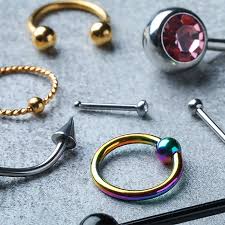
Choosing the right material for your body jewellery is more than just a matter of style. The material you select can affect your comfort, healing time, and the long-term health of your piercing. Whether you’re getting your first piercing or adding to your collection, knowing the safest and most comfortable options will help you make the best choice.
YFN custom jewelry allows you to create personalized pieces that reflect your unique style and sentimental moments.
Why Material Choice Matters for Body Jewellery
The wrong material can cause irritation, allergic reactions, or delayed healing. On the other hand, high-quality, biocompatible materials can promote faster recovery and make wearing your jewellery an enjoyable experience. Durability also matters, some materials last for years without losing their shine, while others may tarnish or break easily.
Popular Materials for Body Jewellery
When it comes to selecting the best material, these are the most trusted options among piercing professionals and enthusiasts. You can find a wide range of high-quality body jewellery in these materials to suit different piercings and styles.
Titanium
Titanium is hypoallergenic, lightweight, and highly durable, making it an excellent choice for fresh piercings. It’s resistant to corrosion and doesn’t contain nickel, which makes it safe for people with sensitive skin.
Surgical Stainless Steel
One of the most common materials used for piercings, surgical stainless steel is affordable and durable. Grades like 316L and 316LVM are designed for medical use and are safe for most people once the piercing has healed.
Niobium
Similar to titanium, niobium is hypoallergenic and highly corrosion-resistant. It’s also available in a variety of colours through anodising, offering both safety and style.
Gold
For a luxurious touch, solid gold jewellery is a classic choice. For piercings, 14k or 18k gold is recommended. Avoid gold-plated jewellery for fresh piercings as the plating can wear off and expose base metals that may irritate the skin.
Bioplast and PTFE
These flexible, lightweight plastics are ideal for people with active lifestyles or those undergoing medical imaging. They’re also a good option for people with metal sensitivities.
Acrylic
Acrylic is lightweight and comes in endless styles and colours. While it’s fun and affordable, it’s best used for short-term wear, as it can be more prone to damage compared to metals.
Glass and Stone
Organic materials like glass and stone are popular for stretched piercings, offering a unique look and feel. They require more careful maintenance but can be a beautiful, skin-friendly option.
Materials to Avoid for Body Jewellery
Low-quality plated metals and alloys with high nickel content should be avoided, as they can cause irritation and allergic reactions. Cheap jewellery may also have rough finishes that can damage the skin.
How to Choose the Best Material for Your Piercing
Consider the stage of your piercing, fresh piercings require hypoallergenic, non-reactive materials like titanium, niobium, or high-grade stainless steel. Your skin sensitivity, lifestyle, and the location of the piercing should also guide your choice.
Caring for Your Body Jewellery
Clean your jewellery regularly using a saline solution or mild soap, depending on the material. Store pieces separately to avoid scratches, and replace any jewellery that shows signs of wear or damage.
Wrapping Up
Investing in high-quality, safe materials for your body jewellery ensures both comfort and style. From titanium to gold, each material has unique benefits that can suit different needs. When in doubt, seek advice from a professional piercer to ensure you’re choosing the safest option for your skin and piercing.